As drivers, we share the road with many different people going about their daily lives. Some of these road users are more exposed to risk than others, and understanding how to drive safely around them isn’t just good practice—it’s our legal responsibility. This guide will help you understand who vulnerable road users are, what the Highway Code says about protecting them, and how you can share the road safely with everyone.
What Are Vulnerable Road Users?
Vulnerable road users are people who are at greater risk of injury or death in a collision because they lack the protection that a vehicle provides. In the UK, this includes:
- Pedestrians, including children, older people, and those with disabilities
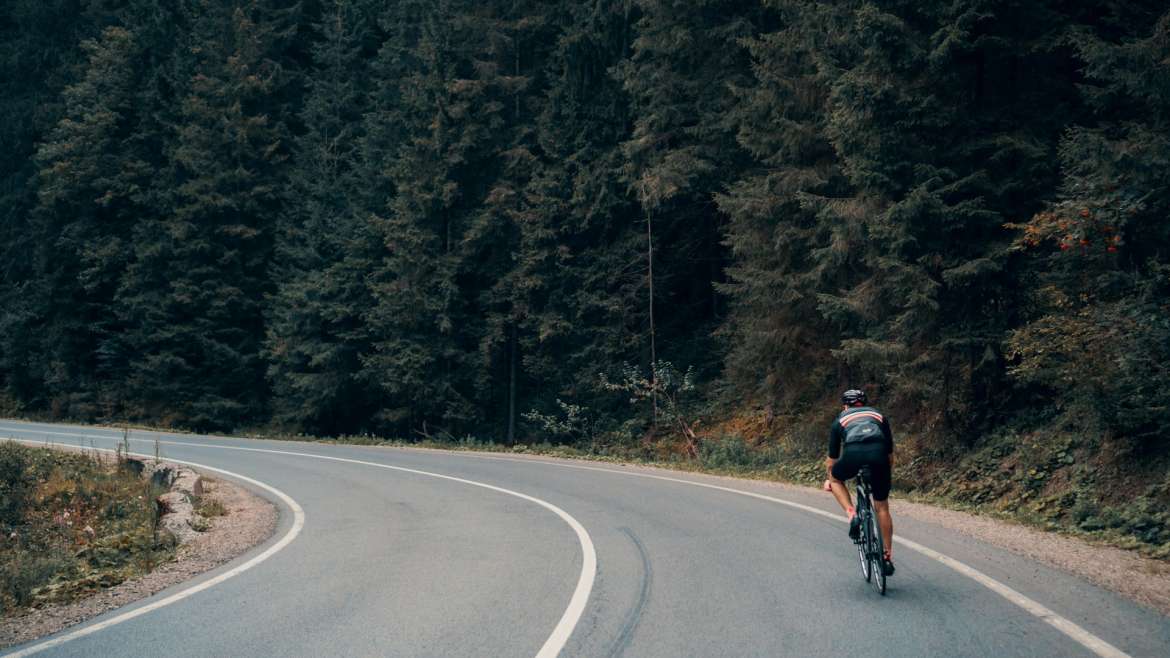
- Cyclists of all ages and abilities
- Motorcyclists and moped riders
- Horse riders
- People using mobility scooters and powered wheelchairs
- People in charge of animals, particularly horses
These road users are considered vulnerable because they have little or no physical protection in the event of a collision. A minor incident for someone in a car can result in serious injury or death for a vulnerable road user.
The Highway Code and the Hierarchy of Road Users
In January 2022, the Highway Code introduced a significant update: the hierarchy of road users. This concept places those who can cause the greatest harm at the bottom of the hierarchy, giving them the most responsibility to reduce danger to others.
The hierarchy works as follows, with those at the top being most at risk:
- Pedestrians
- Cyclists
- Horse riders
- Motorcyclists
- Cars, taxis, and vans
- Minibuses and large passenger vehicles
- Heavy goods vehicles
This doesn’t mean that pedestrians and cyclists can behave irresponsibly—everyone must follow the rules. However, it does mean that as a driver, you have a greater responsibility to look out for and protect vulnerable road users.
What the Highway Code Says About Vulnerable Road Users
The Highway Code contains specific rules designed to protect vulnerable road users. Here are some of the key requirements:
Rule H1: The Hierarchy of Road Users
This rule establishes that those who can cause the greatest harm have the greatest responsibility to reduce danger. As a driver, you should be aware of and look out for vulnerable road users, and understand that they may not always behave predictably.
Rule H2: Giving Way at Junctions
When you’re turning into or out of a junction, you must give way to pedestrians crossing or waiting to cross the road. This applies whether they’re crossing a side road you’re turning into or you’re turning out of a junction and crossing their path.
Rule H3: Giving Priority to Cyclists
You should not cut across cyclists when turning into or out of a junction or changing direction or lane. This is the same priority you would give to other motor vehicles. Before turning, you must give way to cyclists going straight ahead, even if they’re approaching from behind.
Additional Key Rules
Rule 163 reminds drivers to give vulnerable road users at least as much space as you would a car when overtaking. For cyclists, this means leaving at least 1.5 metres at speeds up to 30mph, and giving more space when overtaking at higher speeds.
Rule 211 requires drivers to take extra care at pedestrian and cycle crossings, and never to wave pedestrians across—another vehicle may not stop.
Rule 213 states that motorcyclists and cyclists may suddenly need to swerve to avoid uneven road surfaces or drain covers, so you should allow them plenty of space.
Understanding the Risks Vulnerable Road Users Face
To drive safely around vulnerable road users, it helps to understand the specific risks they face:
Limited Visibility
Pedestrians, cyclists, and motorcyclists can be harder to spot than larger vehicles, particularly in poor weather, at night, or when they’re in your blind spots. Children and older people may be even less visible due to their size or the clothes they wear.
Unpredictable Behaviour
Vulnerable road users may behave in ways that seem unpredictable to drivers. Children might suddenly run into the road. Cyclists might swerve to avoid a pothole. Horse riders might need to move away from the kerb to avoid a drain. These aren’t cases of poor behaviour—they’re often necessary reactions to hazards that you might not see from inside your vehicle.
Vulnerability in Collisions
Even a low-speed collision can cause serious injuries to vulnerable road users. A bump that would barely dent two cars could prove fatal for a cyclist or pedestrian.
Weather Vulnerability
Rain, wind, and cold affect vulnerable road users much more than drivers in enclosed vehicles. A cyclist struggling with crosswinds or a pedestrian hurrying home in heavy rain may not be as aware of traffic as usual.
How to Drive Safely Around Pedestrians
Pedestrians are the most vulnerable road users, and drivers bear the greatest responsibility for their safety.
At Crossings
Always approach pedestrian crossings at a speed that allows you to stop safely. Be particularly vigilant at zebra crossings, where pedestrians have absolute priority once they’ve stepped onto the crossing. At pelican, puffin, and toucan crossings, stop when the light turns red, even if you can’t see anyone crossing.
Near Schools and Residential Areas
Reduce your speed in areas where children are likely to be present. Children can act impulsively and may not understand traffic dangers. Be prepared to stop, especially during school start and finish times.
At Junctions
Before turning into a side road, check for pedestrians crossing or waiting to cross. They have priority, so you must give way. This applies even if they haven’t started crossing yet—if they’re waiting at the junction you’re turning into, let them cross first.
When Reversing
Always check thoroughly for pedestrians before reversing, particularly in car parks where children may be hidden by other vehicles. If possible, get someone to guide you, or use your mirrors and cameras in combination.
In Poor Visibility
In fog, heavy rain, or darkness, pedestrians wearing dark clothing can be extremely difficult to see. Reduce your speed and be extra vigilant, particularly in areas without street lighting.
How to Drive Safely Around Cyclists
Cyclists have the same right to use the road as drivers, but they face unique vulnerabilities that require your attention and care.
Overtaking Cyclists
When overtaking a cyclist, the Highway Code recommends leaving at least 1.5 metres of space at speeds up to 30mph, and more space at higher speeds. Wait until it’s safe to pass with adequate space—it’s better to wait a few seconds than to squeeze past dangerously.
If you can’t leave enough space, don’t overtake. Hold back until it’s safe, even if this means waiting until you reach a wider section of road. Remember, cyclists are entitled to ride in the centre of the lane if they judge it safer to do so, particularly on narrow roads or when approaching junctions.
At Junctions
Before turning left, check your mirrors and blind spots for cyclists who may be coming up on your nearside. Never assume they’ll stop or slow down—they may have right of way. The “left hook” (turning left across a cyclist’s path) is one of the most common causes of serious cycling collisions.
Similarly, when turning right, check for cyclists coming from the opposite direction who may be continuing straight ahead.
Opening Car Doors
Before opening your car door, always check for approaching cyclists. Use the “Dutch Reach” method—open your door with your far hand (left hand for the driver’s door), which forces you to turn your body and look behind you. Dooring incidents can cause serious injuries.
Understanding Cyclists’ Road Position
Cyclists may ride away from the kerb or even in the middle of the lane for several reasons, all of which are valid:
- Avoiding potholes, drain covers, or debris
- Increasing their visibility at junctions
- Preventing dangerous overtaking on narrow roads
- Preparing to turn right
Don’t assume they’re being inconsiderate—they’re positioning themselves for safety.
Cycle Lanes and Advanced Stop Lines
Never drive or park in cycle lanes during their hours of operation, and don’t enter the advanced stop box for cyclists at traffic lights. These facilities exist to keep cyclists safe, and blocking them forces cyclists into more dangerous positions.
How to Drive Safely Around Motorcyclists
Motorcyclists are vulnerable despite being mechanised road users. They’re harder to see than cars but travel at similar speeds.
Checking Blind Spots
Motorcyclists can easily disappear into blind spots. Always check your mirrors and blind spots thoroughly before changing lanes or direction. Just because you didn’t see a motorcyclist a moment ago doesn’t mean they’re not there now—they can close distance quickly.
At Junctions
The most common motorcycle collision involves a car turning right across a motorcyclist’s path. Motorcyclists can be difficult to see approaching, and it’s easy to misjudge their speed. Take your time, look carefully, and if in doubt, wait.
Allowing Space
Give motorcyclists as much space as you would a car when following or overtaking. They may need to swerve suddenly to avoid road surface hazards that wouldn’t trouble a car.
In Bad Weather
Remember that motorcyclists are exposed to the elements and may be cold, wet, and dealing with reduced visibility. They may need to slow down or adjust their position on the road. Be patient and give them space.
How to Drive Safely Around Horse Riders
Horses are unpredictable animals that can be startled by vehicles, with potentially dangerous consequences for riders.
Slow Down
When you see a horse ahead, slow down to 15mph or slower if necessary. Fast-moving vehicles and sudden noises can frighten horses.
Pass Wide and Slow
Pass horses wide and slow—ideally at no more than 15mph and leaving at least two metres of space. Watch for signals from the rider, who may ask you to slow down or stop by raising their hand.
Be Patient
Never rev your engine, sound your horn, or rev past closely. If the road is too narrow to pass safely, wait patiently behind until there’s adequate space. Horse riders will often signal their thanks or wave you past when it’s safe.
Two Riders
If you see two riders side by side, understand they’re doing this deliberately—often with a younger or less experienced rider being protected on the inside. Don’t try to squeeze between them.
Practical Tips for Safer Driving Around All Vulnerable Road Users
Reduce Your Speed
Lower speeds give you more time to react and reduce the severity of any collision. In residential areas, near schools, and in town centres, driving at lower speeds significantly improves safety for everyone.
Eliminate Distractions
Put your phone away, don’t eat while driving, and keep your attention on the road. Vulnerable road users can appear suddenly, and you need to be able to react quickly.
Make Eye Contact
When possible, make eye contact with pedestrians at crossings or cyclists at junctions. This confirms you’ve seen them and helps everyone understand what’s happening.
Anticipate Behaviour
Try to anticipate what vulnerable road users might do. A pedestrian standing near the kerb might step out. A cyclist approaching a parked car might swerve around it. A child might run after a ball. Anticipating these possibilities helps you react safely.
Be Patient
Sometimes the safest thing to do is wait. Wait for a gap to overtake a cyclist properly. Wait for a pedestrian to finish crossing. Wait for a horse rider to settle a nervous horse. A few seconds’ delay is insignificant compared to the consequences of rushing.
Maintain Your Vehicle
Keep your windscreen clean, replace worn wiper blades, and ensure all your lights work. Good visibility is essential for spotting vulnerable road users, especially in poor conditions.
Consider Visibility
Think about how visible you are to vulnerable road users, too. Using dipped headlights in poor daylight conditions helps others see you approaching, giving them more time to react safely.
What to Do If Something Goes Wrong
Despite your best efforts, close calls can happen. If you have a near miss with a vulnerable road user:
- Remain calm and don’t react with anger or frustration
- Consider whether you could have done anything differently
- Learn from the experience to improve your future driving
- Never retaliate or punish vulnerable road users for mistakes—remember the hierarchy of responsibility
If you’re involved in a collision with a vulnerable road user, stop immediately, ensure your vehicle is safe, and call 999 if anyone is injured. Remain at the scene and provide your details as required by law.
The Bigger Picture: Creating a Culture of Care
Ultimately, protecting vulnerable road users isn’t just about following rules—it’s about creating a culture of care on our roads. Most of us are sometimes drivers, sometimes pedestrians, sometimes cyclists. We all benefit when drivers take their responsibility seriously and treat all road users with consideration and respect.
By understanding who vulnerable road users are, recognising the risks they face, and knowing how to drive safely around them, you’re not just following the Highway Code—you’re helping to make UK roads safer for everyone. Your patience, attention, and consideration could literally save a life.
Remember, every vulnerable road user is someone’s family member or friend. They’re children going to school, people cycling to work, older people popping to the shops, or riders enjoying the countryside. They all deserve to reach their destination safely, and as a driver, you have the power to help make that happen.
Safe sharing of the road also depends on making your intentions clear without confusing anyone. Read about using indicators thoughtfully.