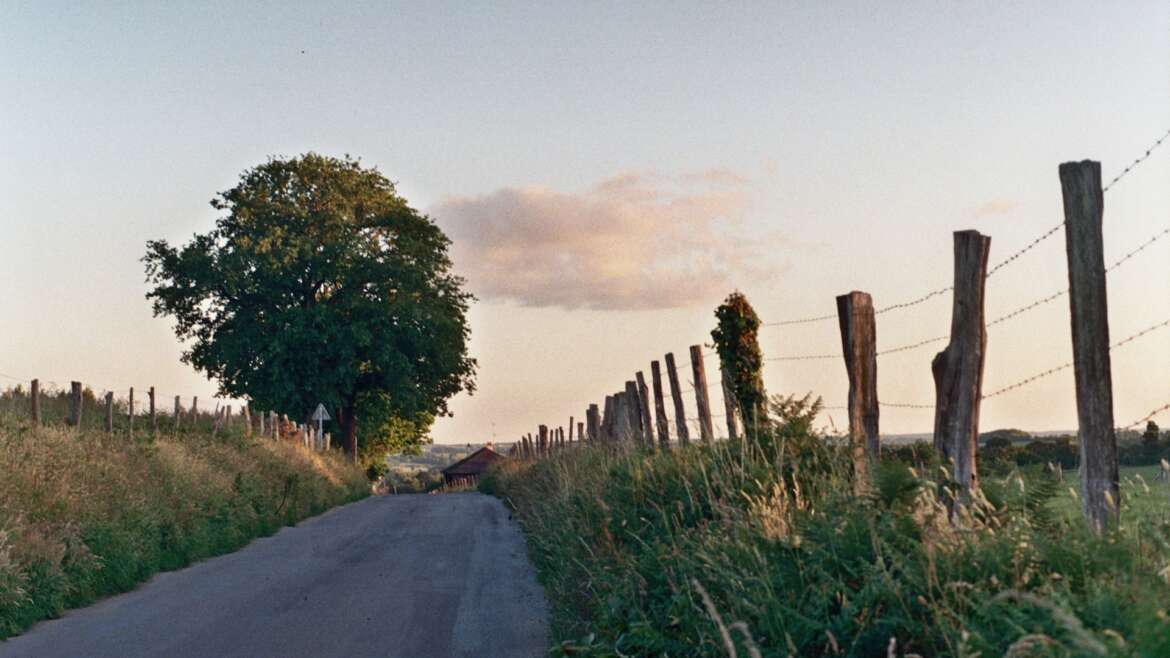
Driving around the beautiful Chilterns means you will inevitably encounter narrow, single-track country lanes. From reversing into passing places to the strict new rules on overtaking horses and cyclists, here is everything you need to know to navigate rural roads safely and confidently.
Learning to drive around Princes Risborough means you get the best of both worlds: busy town driving and beautiful, sweeping country roads. However, those rural lanes come with their own unique set of challenges that can easily catch out a new driver.
If you find yourself on a narrow road with a tractor coming the other way or a horse rider ahead, do you know exactly what the Highway Code expects you to do?
The Golden Rule of Passing Places
Many of our local country lanes are “single-track,” meaning there is only enough room for one vehicle. These roads feature designated passing places—small, widened sections of the road.
If you see a vehicle coming towards you, you must pull into a passing place on your left. If the passing place is on your right, do not cross the road to enter it; instead, stop directly opposite it so the oncoming vehicle has space to pull in.
Crucial tip: Highway Code Rule 154 states that you should give way to vehicles coming uphill whenever you can. If you meet another car and you are heading downhill, be prepared to check your mirrors and reverse back to the nearest passing place.
Overtaking Vulnerable Road Users (Rule 163)
Rural roads are shared spaces. You will frequently encounter cyclists, pedestrians (often where there are no pavements), and horse riders. Recent updates to the Highway Code have introduced strict minimum passing distances that examiners will look for during your test:
- Cyclists: You must leave at least 1.5 metres of space when overtaking at speeds up to 30 mph, and even more space at higher speeds.
- Horse Riders: Horses can be easily spooked by engine noise or sudden movements. You must drop your speed to under 10 mph and allow a massive 2 metres of space when passing.
- Pedestrians: If people are walking in the road, keep your speed very low and allow at least 2 metres of clearance.
If the lane is too narrow to provide these exact clearances, you must wait patiently behind them. Do not rev your engine or try to squeeze past—wait until the road widens or they safely pull over to let you through.
Tackling Farm Machinery
During harvest seasons, you will share the lanes with massive combine harvesters and slow-moving tractors. They can be intimidating, but patience is key. Keep well back so the driver can see you in their mirrors, and remember that farm vehicles often turn abruptly into hidden, unmarked field entrances.
At Drive Chilterns, we ensure that rural driving isn’t just an afterthought. We will take you out onto the local country lanes to practice using passing places and anticipating hidden hazards, ensuring you are fully prepared for everyday driving after you pass your test!
For a more detailed look at the risks on rural routes, read my guide to driving on UK country roads. You may also find my advice on driving safely on unfamiliar roads useful when planning and adapting to roads you don’t know.

