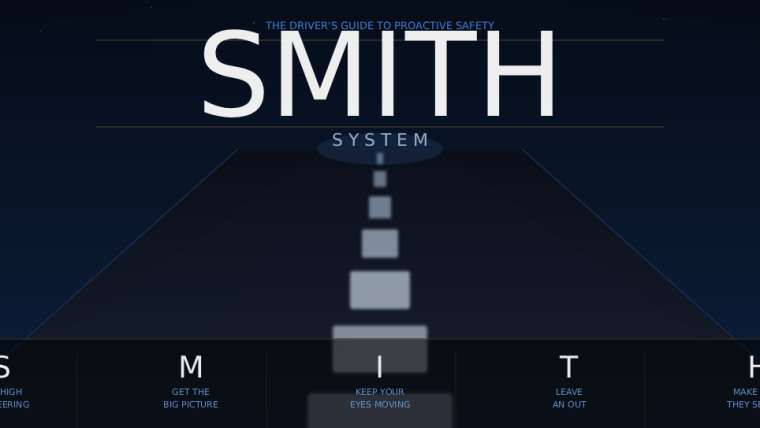
Developed in the United States by Harold Smith and adopted widely across professional and advanced driving communities in the UK and beyond, the SMITH System isn’t a gimmick or a checklist. It’s a coherent philosophy of how to process the road around you
The camera at the centre of this enforcement revolution is the Vector-SR, a sophisticated infrared imaging system developed to operate continuously, in all light conditions, and without the tell-tale flash that has long tipped off drivers to their capture.
ommentary driving is one of the most powerful learning tools available to anyone working towards their UK driving licence, and it’s used by everyone from raw beginners to advanced motorists pursuing their RoSPA or IAM qualifications.
With the RAC warning of “increasingly bleak” fuel price forecasts and duty rises on the horizon, here’s everything UK drivers need to know to slash their bills at the pump — whatever fuel type you drive.
You’ve driven that road a hundred times. You know every bend, every junction, every dip in the tarmac. You tell yourself you’d react in time. But would you? This week, Infrastructure Minister Liz Kimmins launched two national road safety campaigns that cut straight to the heart of a crisis that’s been quietly unfolding since the start of 2026. Fifteen people…
Cast your mind back to your driving test. Amongst the clutch control, the mirror checks, and the sweaty-palmed three-point turns, one rule was drummed into you with absolute clarity: signal your intentions. Tell other road users what you’re about to do. It costs nothing, takes a fraction of a second, and can mean the difference between a safe journey and a catastrophic one.
Buying a new car in 2026? Your vehicle is about to come packed with safety technology that most drivers know nothing about — and some of it kicks in whether you like it or not.
If you have been following motoring news lately, you will have spotted a significant story quietly gathering momentum: the UK government is rolling out digital driving licences. No longer a distant concept borrowed from tech headlines, the digital driving licence is now being actively trialled — and as of February 2026, the public pilot has expanded beyond government staff to include a wider group of drivers.
This perception gap between how we view our own driving versus how we judge others is creating real safety hazards on our roads, and it’s time we addressed it.
This article explores the neuroscience of learning to drive — and why understanding it might be the single most useful thing a learner driver can do before their next lesson.