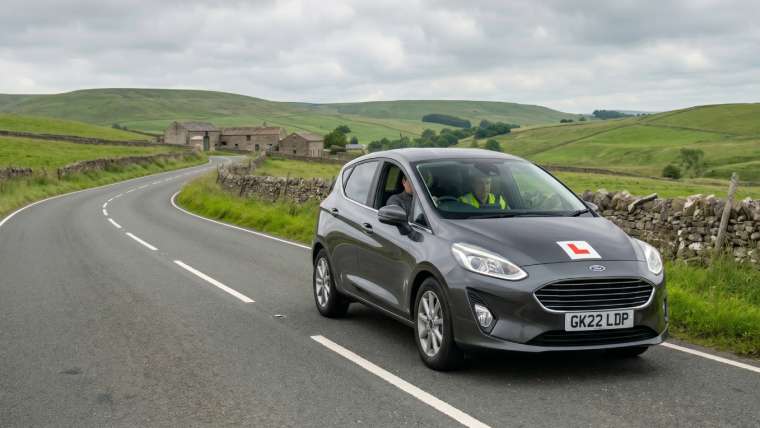
A recent survey commissioned by Motorpoint revealed a startling reality about UK roads: up to half of motorists are not confident they could read a vehicle registration plate from 20 metres away. That distance isn’t just an arbitrary number; it is the legal minimum standard for driving. For a learner driver preparing to take to the road independently, your vision is your very first line of defence.

Whether you’ve just booked your theory test or you’ve been driving for decades, there’s a change coming that affects every single driver in the UK. The humble plastic driving licence — that pink card you’ve been hunting for at the bottom of your bag since you passed your test — is getting a digital upgrade.
You have eight days to sort it out. After 9 June 2026, the rules change in ways that will leave thousands of learner drivers geographically marooned, unable to move their booking to the centre they actually want.
The UK practical driving test is one of the most myth-laden experiences a person can go through, and with good reason: it’s high-stakes, nerve-wracking, and almost everyone who’s sat it has an opinion about how it works.
Earlier this year, the Department for Transport launched its 2026 Road Safety Strategy — a wide-ranging package of measures aimed at reducing casualties and making Britain’s roads safer. One of the centrepieces of that strategy is a massive, government-backed expansion of roadside drug testing.
Should National Highways Have the Power to Fine Litter Louts? Here’s What Every Driver Needs to Know
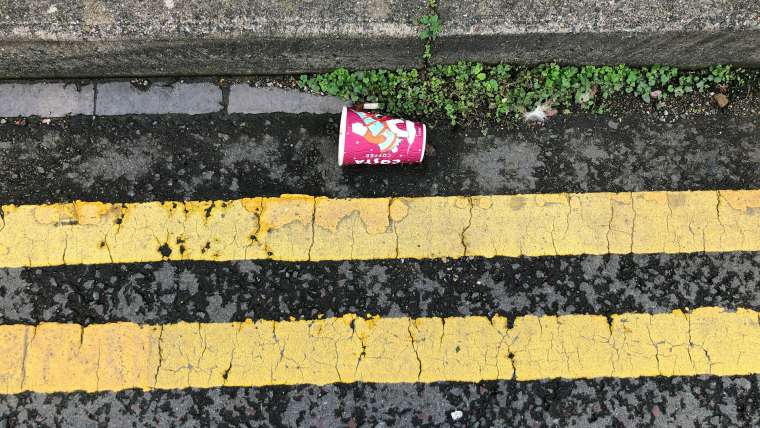
The sight of crisp packets fluttering along the central reservation, coffee cups wedged into motorway verges, and fast-food wrappers piling up at slip-road junctions is, unfortunately, one that most UK drivers know all too well. Roadside litter is not a new problem, but it is a growing one — and in 2026, the question of who should have the power to tackle it is becoming increasingly urgent.
New CPR and AED questions are now live in the DVSA theory test — here’s everything learner drivers in the Chilterns need to know Somewhere on a road near you, a driver will collapse at the wheel. A cyclist will be struck at a junction. A pedestrian will suffer a cardiac arrest on the pavement. And statistically, the person closest…
Road safety campaigns come and go, but every so often a pair of them lands that genuinely makes you stop and think. This month, Infrastructure Minister Liz Kimmins launched two new campaigns — Priority List and Control
New legislation is working its way through Parliament that will hand councils across England the powers to issue on-the-spot fines for pavement parking. And for millions of pedestrians who navigate obstructed pavements every single day, it can’t come soon enough.
Published on 17 March 2026, the annual ALARM report (Annual Local Authority Road Maintenance survey) has laid bare the catastrophic state of local roads in England and Wales, and the numbers make for grim reading.