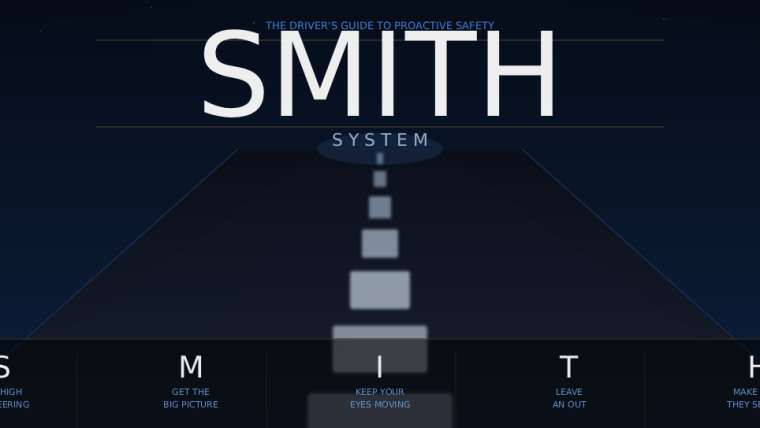
Developed in the United States by Harold Smith and adopted widely across professional and advanced driving communities in the UK and beyond, the SMITH System isn’t a gimmick or a checklist. It’s a coherent philosophy of how to process the road around you
ommentary driving is one of the most powerful learning tools available to anyone working towards their UK driving licence, and it’s used by everyone from raw beginners to advanced motorists pursuing their RoSPA or IAM qualifications.
Starting this month, the driving theory test got a lot more serious — and for very good reason. The Driver and Vehicle Standards Agency (DVSA) has introduced 14 new questions focused on first aid, cardiac arrest, and the use of automated external defibrillators (AEDs). If you’re a learner driver preparing for your theory test right now, this update affects you…
If you’re learning to drive this year, you’ve probably spotted a fair few headlines about big changes to driving tests. Some of them are spot on — others are a bit overblown. So let’s cut through the noise and give you a clear, honest picture of what’s actually happening.
This article explores the neuroscience of learning to drive — and why understanding it might be the single most useful thing a learner driver can do before their next lesson.
The landscape of driver education in the UK is undergoing a fundamental shift. On 13 February 2026, GEM Motoring Assist issued a nationwide call for parents and learners to abandon the “quick pass” mentality that has dominated driving instruction for years. In its place, the road safety organisation is championing a “Life-Ready” philosophy—one that prioritises long-term safety skills over short-term test success.
If you’re preparing for your UK driving test in 2026, there’s something you need to know: the way you change gears and manage your speed isn’t just about looking smooth behind the wheel anymore. The DVSA (Driver and Vehicle Standards Agency) has quietly shifted its focus towards what examiners call “Environmental Driving” – and it could be the difference between…
The driving test has always been a nerve-wracking experience. But in 2026, we’re witnessing an unprecedented shift: for the first time, psychological barriers are overtaking technical skills as the primary reason learners fail their practical examination.
From early 2026, the Driver and Vehicle Standards Agency (DVSA) is introducing questions on cardiopulmonary resuscitation (CPR) and automated external defibrillators (AEDs) for the first time in the test’s history.
On 7 January 2026, the Department for Transport (DfT) released the first comprehensive Road Safety Strategy (RSS) in over a decade. For the “Class of 2026,” this isn’t just government paperwork—it is a roadmap that will fundamentally change how you learn, how you test, and how you drive during your first two years on the road.